


Coconut Crab
Birgus latro
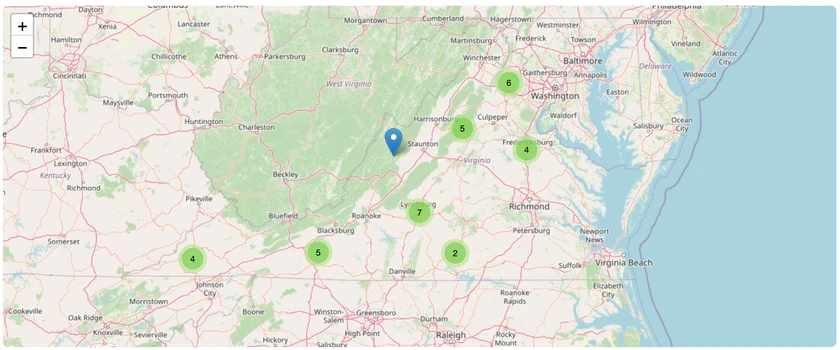
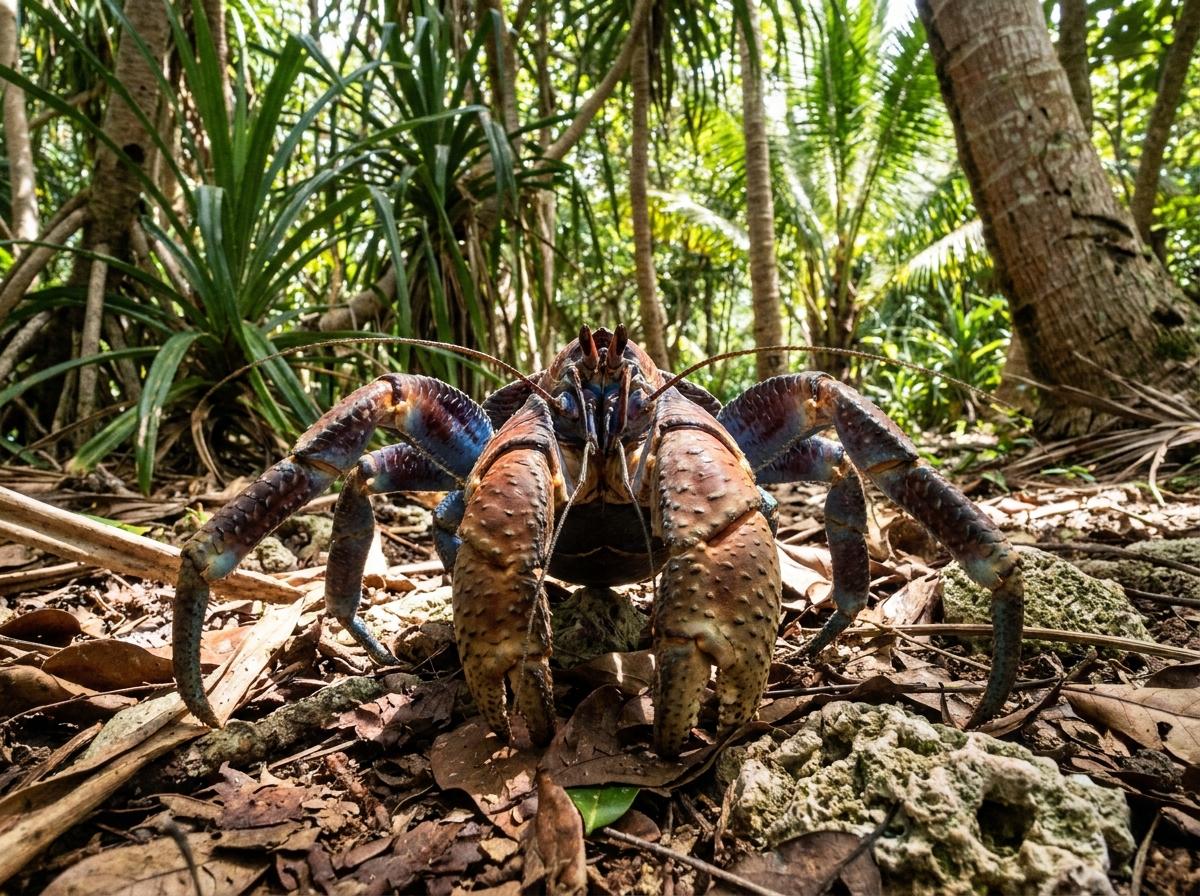
Among land crabs, the coconut crab (Birgus latro) stands out as the largest land-living arthropod and a close relative of hermit crabs. It is native to islands across the Indian and western Pacific oceans. Young coconut crabs use empty shells, but adults develop a tough, folded abdomen and live almost entirely on land. Their heavy claws can crack hard fruit and deliver an injury-causing pinch. Despite the name, they eat far more than coconuts: fallen fruit, nuts, carrion, seabird eggs, and other organic material all fit their scavenging diet. Females release larvae into the sea, and the young return to land after a marine phase.
Coconut crabs are rarely suitable for private keeping and are protected or harvest-regulated in many island communities because they grow slowly and are vulnerable to overcollection. Zoo and research settings must provide warm humidity, deep burrowing substrate, secure climbing structures, and barriers strong enough for a climbing crab with real leverage. Adults can drown if kept submerged, so access to moisture is managed differently than for aquatic crabs. Conservation work often centers on harvest limits, protection of breeding females, island habitat quality, and reducing introduced predators that affect juveniles during their shell-dwelling stage.
Colors: Blue, Purple-Blue