

Japanese
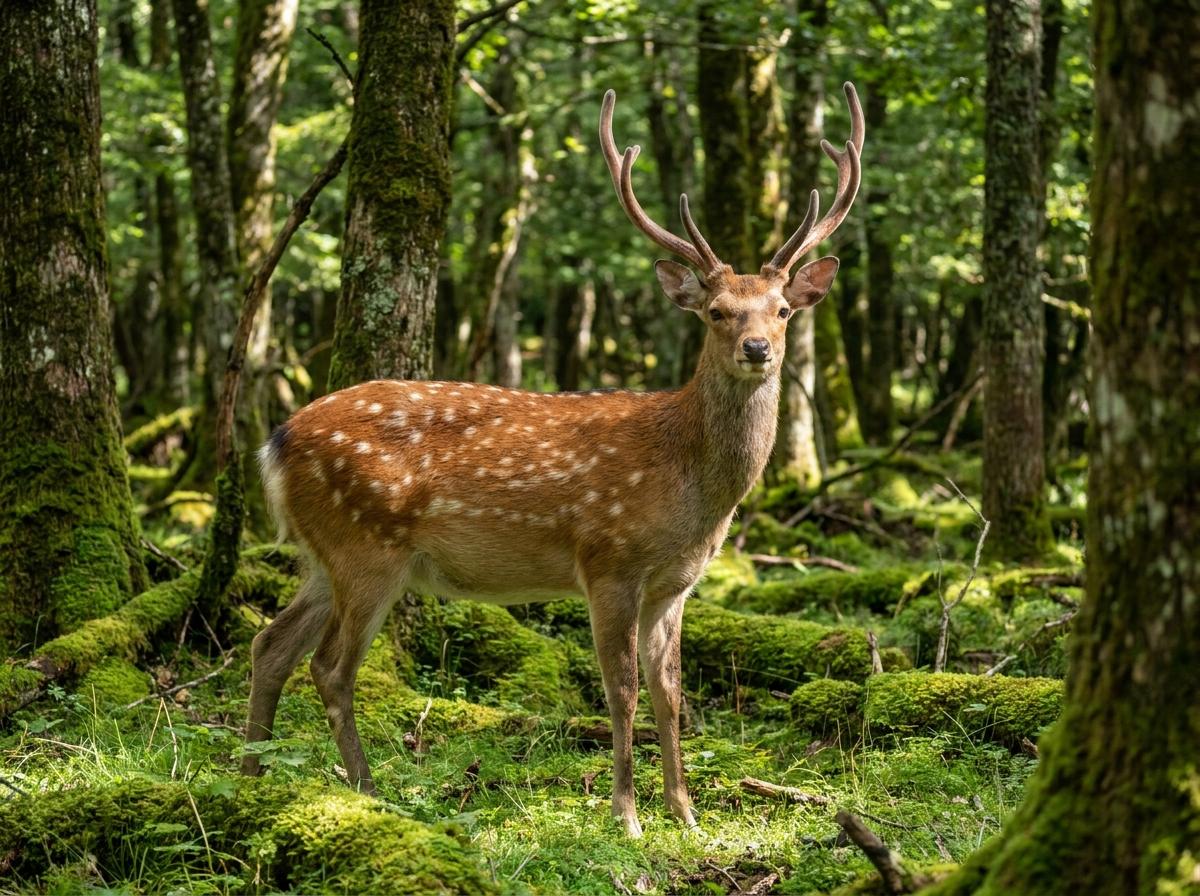
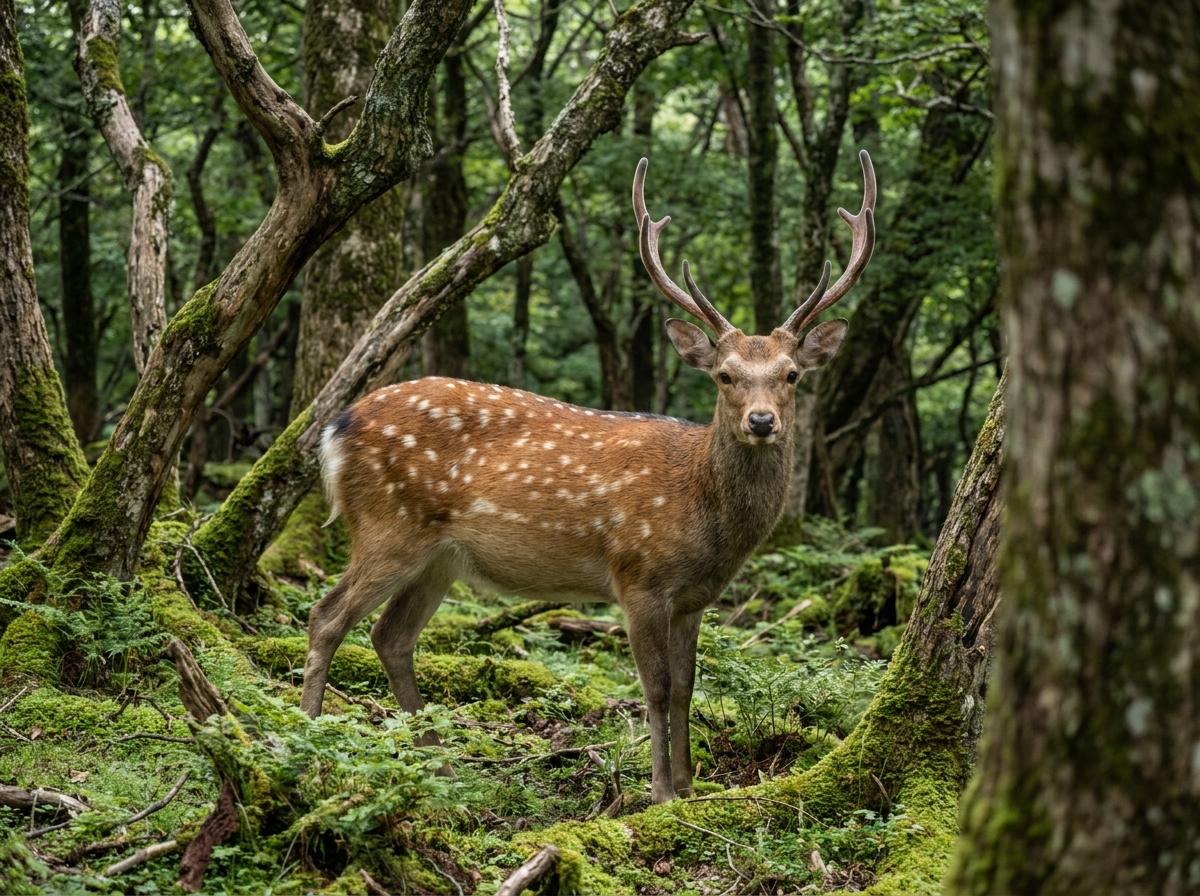
Japanese sika deer are the sika deer lineages native to the Japanese islands, including larger northern and smaller southern island forms depending on locality. They are generally compact deer with rounded ears, a short tail with a pale rump patch, white spots in the summer coat, and a darker brown or gray-brown winter coat. Stags carry relatively simple antlers and give sharp rutting calls. In Japan they are familiar wild deer, while in other countries Japanese sika have been farmed, displayed, hunted, or introduced.
Management depends strongly on setting. Zoos and wildlife parks focus on secure fencing, browse control, rut-season safety, and keeping social groups stable. On farms or estates, Japanese sika need containment that prevents escapes and contact with native deer, because they can hybridize with red deer and become invasive outside their natural range. In their native habitat, stewardship may involve population monitoring and vegetation protection where deer numbers exceed what forests and grasslands can sustain.
Colors: Dark Brown with White Spots, Gray-Brown with White Spots